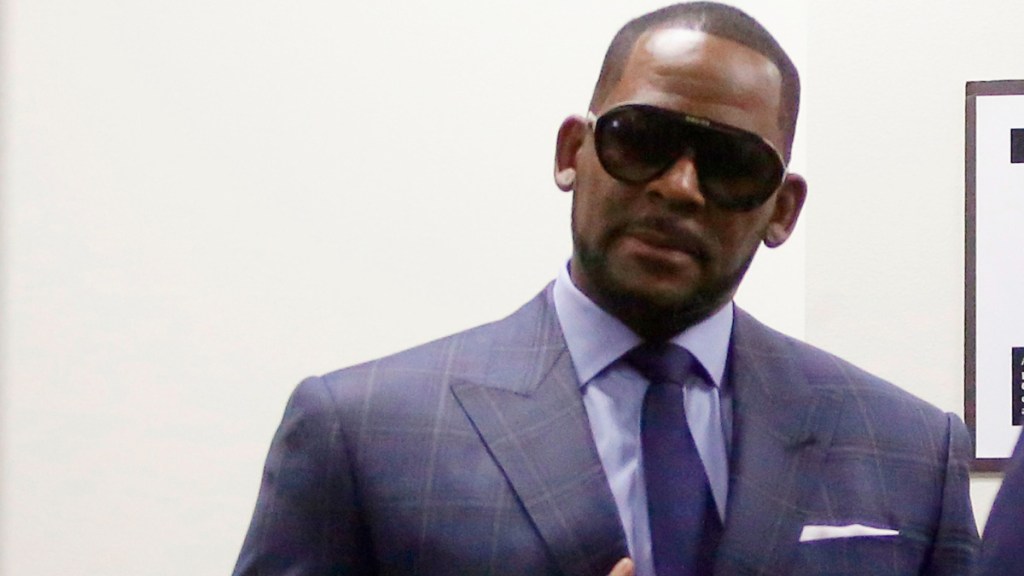
Disgraced R&B singer R Kelly was reportedly hospitalized this week, with his legal team alleging he suffered an overdose due to mismanagement by prison officials. However, conflicting reports suggest another reason. So, what really happened to R Kelly?
R Kelly rushed to hospital for overdose, claims report
According to R. Kelly’s attorney, Beau Brindley, the singer was given an excessive dose of medication by staff at the federal prison in North Carolina where he is serving a 30-year sentence. “Mr. Kelly’s life is in danger and the threat comes from Bureau of Prisons officers whose duty is to protect him,” Brindley wrote in an emergency motion filed on Monday.
In a court filing obtained by CBS News, Brindley claimed Kelly was administered “an amount of medicine that could have killed him,” leading to dizziness, loss of consciousness, and an emergency hospital visit.
However, sources told ABC News that Kelly was only hospitalized for two days for standard medical treatment before being returned to prison. The Bureau of Prisons declined to comment on the specifics, citing privacy and security policies.
Kelly’s legal team has accused prison officials of endangering his life, alleging they forcibly removed him from Duke University Hospital against doctors’ recommendations. Brindley claims Kelly was diagnosed with blood clots in his legs and lungs, requiring urgent surgery. It was a procedure that prison staff allegedly blocked.
“Mr. Kelly’s life is in jeopardy right now because the Bureau of Prisons denied him necessary surgery to clear clots from his lungs. He could die from this condition, and they are letting it happen.” Brindley stated. This is not the first time Kelly’s attorneys have raised concerns about his safety behind bars. Earlier this month, Brindley claimed prison officials conspired with a white supremacist inmate to harm the singer.
R. Kelly is serving concurrent sentences for multiple convictions, including sex trafficking, racketeering, and child pornography. Despite his legal team’s push for home confinement, prosecutors have dismissed the request as baseless, emphasizing Kelly’s refusal to take responsibility for his crimes.